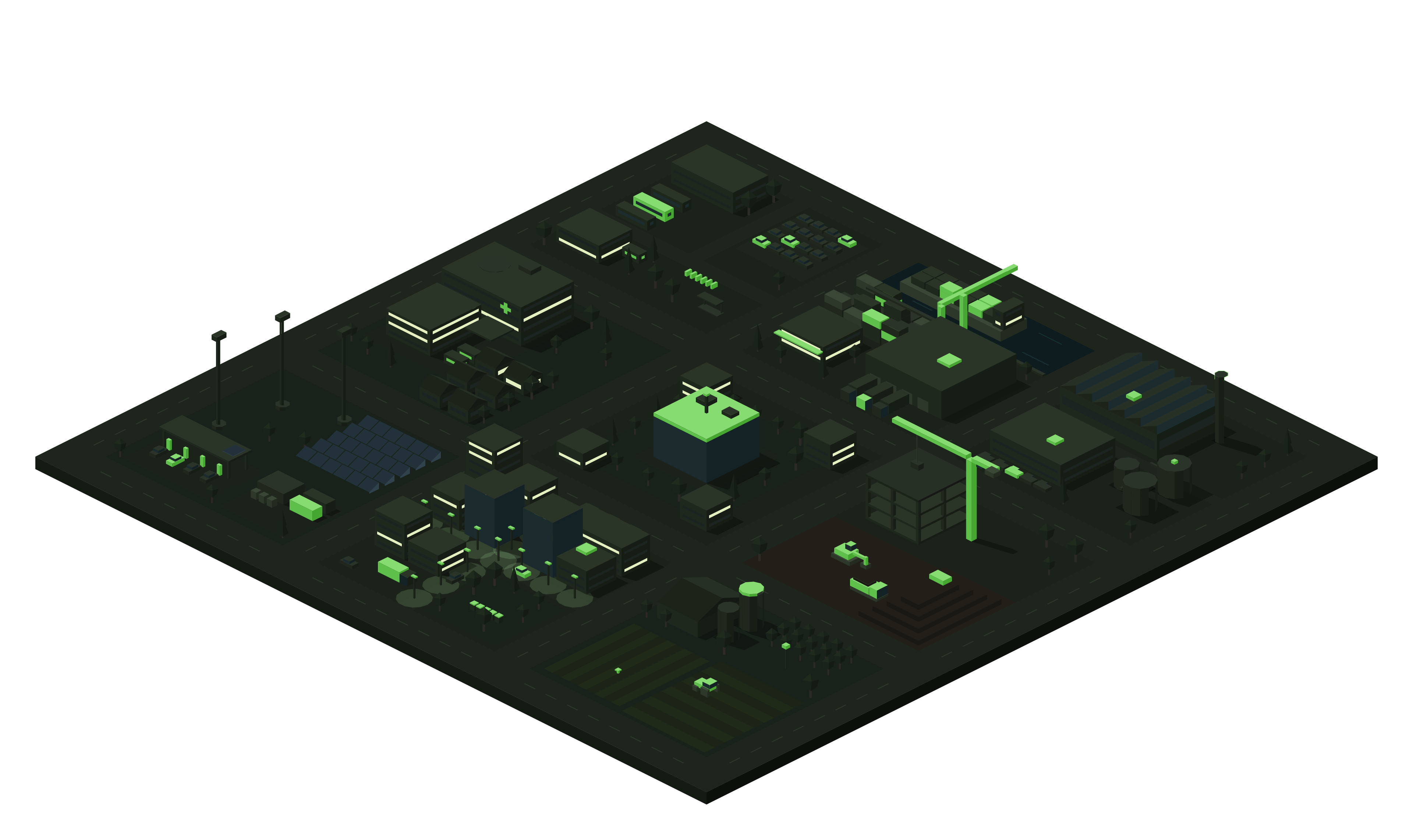
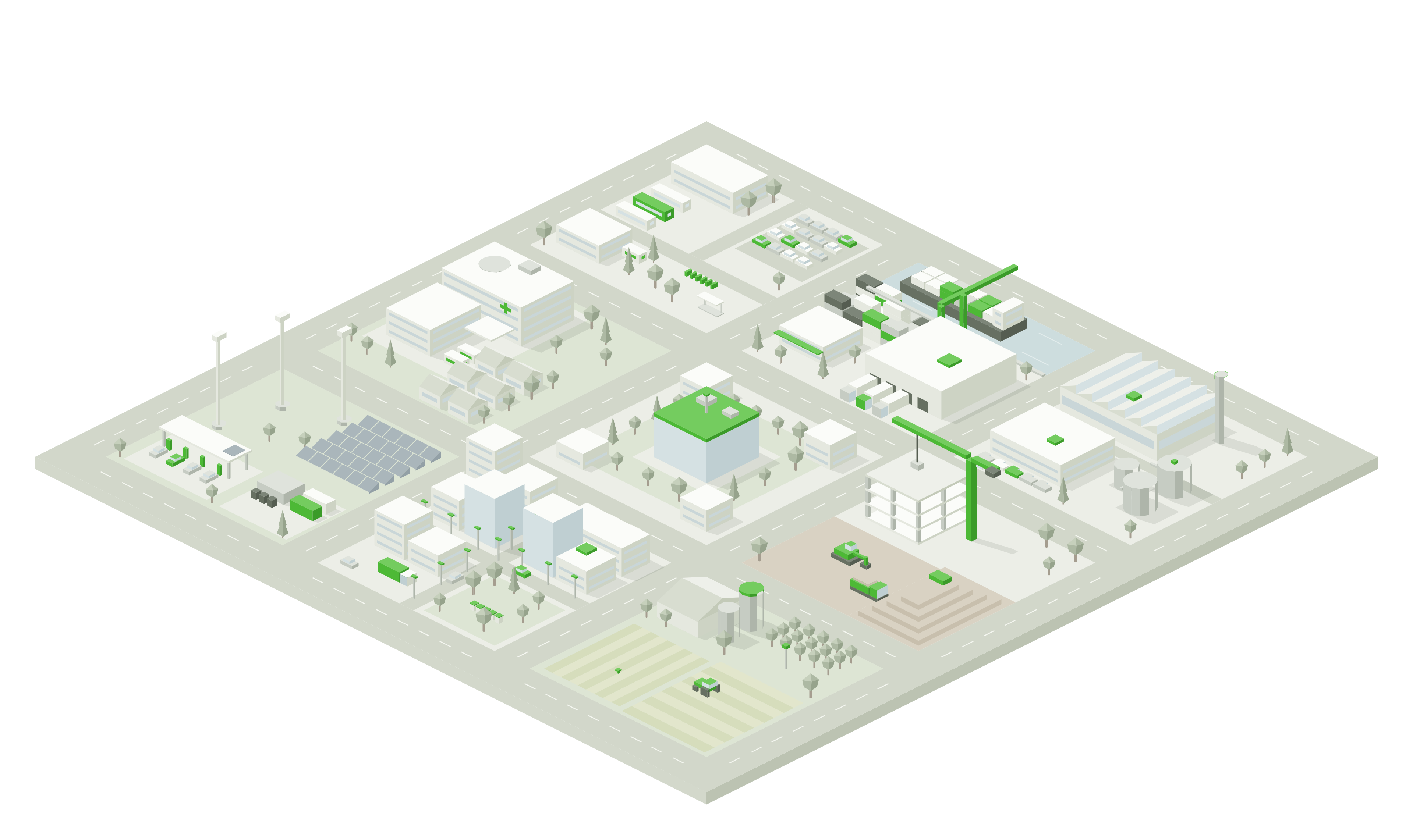
Street light 112 · dimmed to 60%Example
06Cities and services
Smart cities: IoT sensors for connected infrastructure
IoT sensors for energy consumption, air quality, waste, lighting, and parking: we're digitizing infrastructure to create connected, people-friendly cities.
Contact usDigitized resources
The municipality's interconnected infrastructure
Mative connects a municipality's water, electricity, and gas networks, trash bins, streetlights, and parking lots using IoT sensors. The Smart Metering module of Mative Cloud TC and Mative Cloud WM – Waste Manager collect the data. Synapsis Analysis transforms this data into dashboards, enabling local governments to make decisions based on accurate data rather than estimates.
What it solves
The connected community issues we solve
- 01
Hidden leaks and consumption
Smart meters monitor water and electricity usage and automatically detect leaks, providing reports to residents. They communicate via NB-IoT or LoRaWAN, so they can reach even underground or hard-to-access areas.
- 02
Air, noise, and water: no reliable data
Sensor networks measure air pollutants (PM2.5, NO2), noise, and water quality. The municipality receives dashboards for environmental policies and the basis for creating low-emission zones (LEZs).
- 03
Waste: missteps and a one-size-fits-all fee
With WM, RFID tags track every drop-off and enable a pay-as-you-throw system, which rewards those who sort their waste properly. Fill sensors allow for on-demand emptying, reducing the number of collection vehicle trips.
- 04
Streetlights left on regardless
Streetlight systems adjust their brightness based on traffic and sunlight. Energy is consumed only when needed, and the municipality reduces the city's costs and carbon footprint.
- 05
Cars looking for parking
Underground sensors or AI-powered video cameras detect available spots and reduce traffic congestion caused by people looking for parking. Digital payments and navigation apps guide users to the nearest available spot. A unified approach to traffic, public transportation, and parking makes the city a better place to live.
- 06
Urban decisions without reliable data
Synapsis Analysis brings together data on energy consumption, the environment, waste, and parking into a single overview. Local governments have reliable data on which to base their urban planning decisions and sustainability policies.
Software
Software for urban services
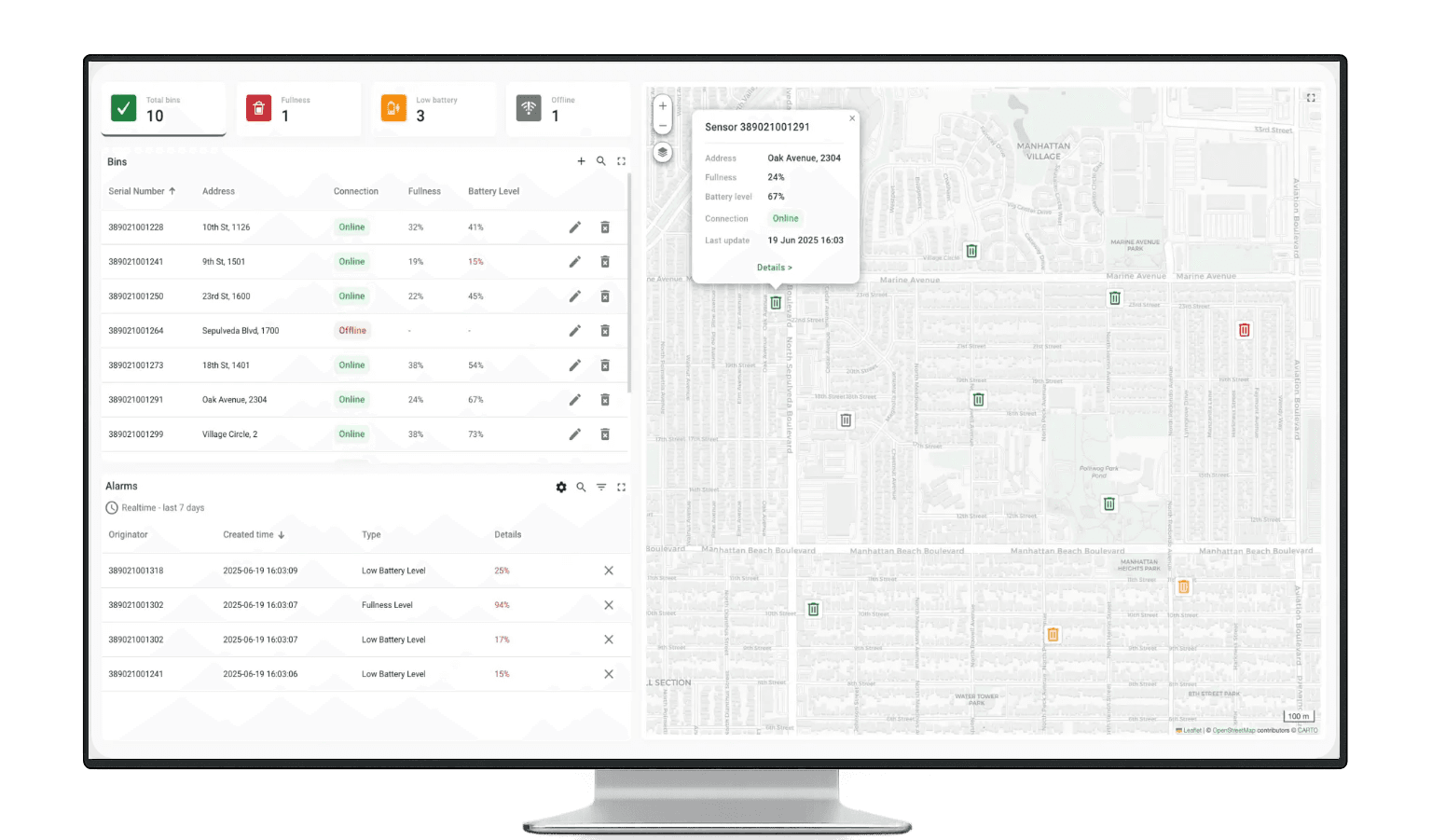
Mative Cloud WM – Waste Manager
Fill sensors and RFID tags indicate when to empty the trash bins, while satellite systems optimize the routes of the city's collection vehicles.
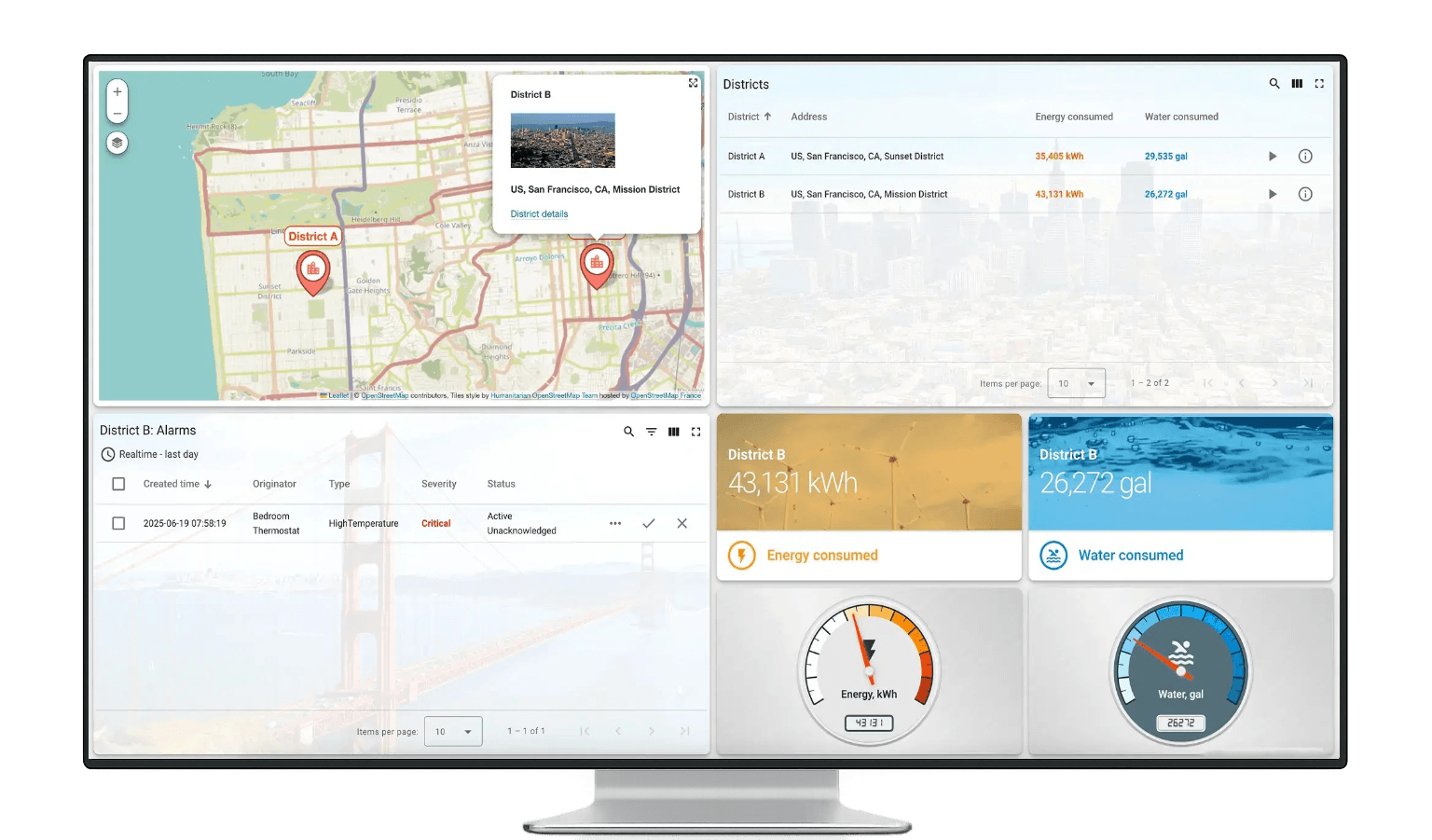
Mative Cloud TC: Smart Metering Module
Monitor water and energy consumption using a hierarchical structure: navigate between locations and resource levels with real-time data.
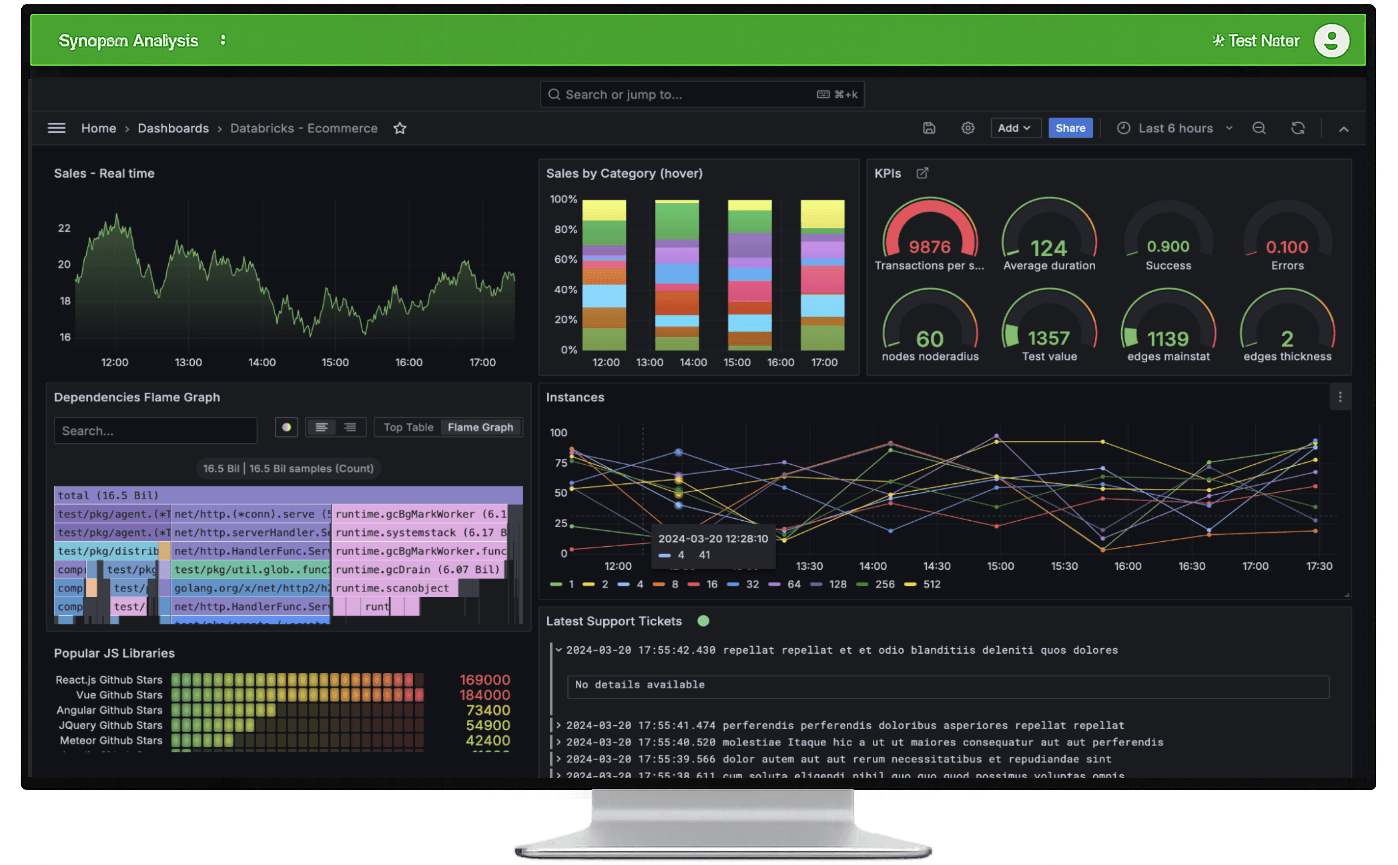
Synapsis Analysis
It consolidates data from urban services into a single analysis to identify where resources are being wasted and where action is needed.
Field devices
Network and urban station equipment
Request technical consulting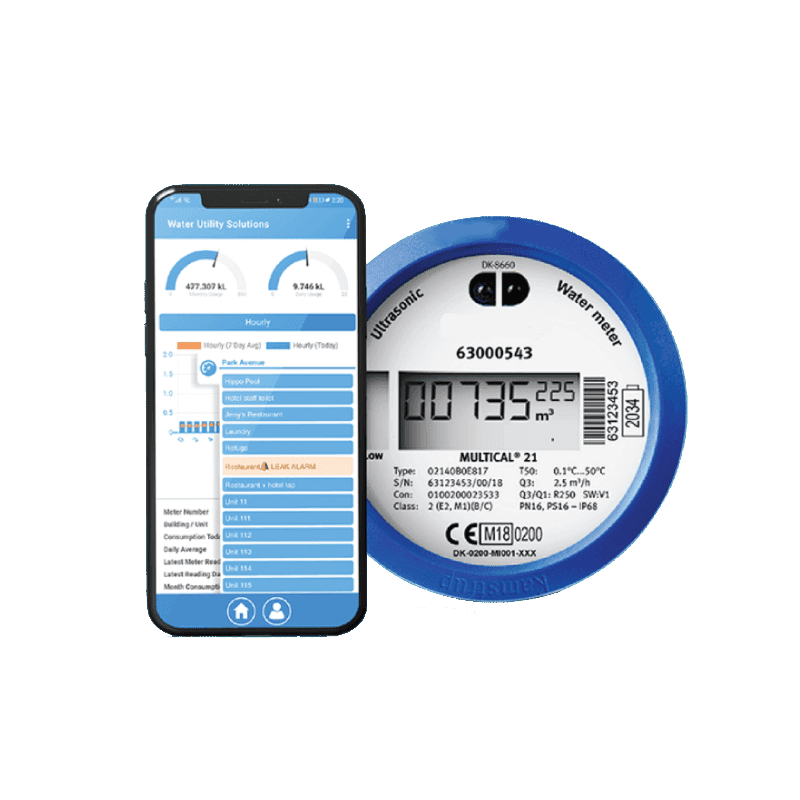
Compatible smart meters
A wide range of smart meters connected via LoRaWAN, MQTT, and GSM. We select and configure the hardware best suited to your energy infrastructure.
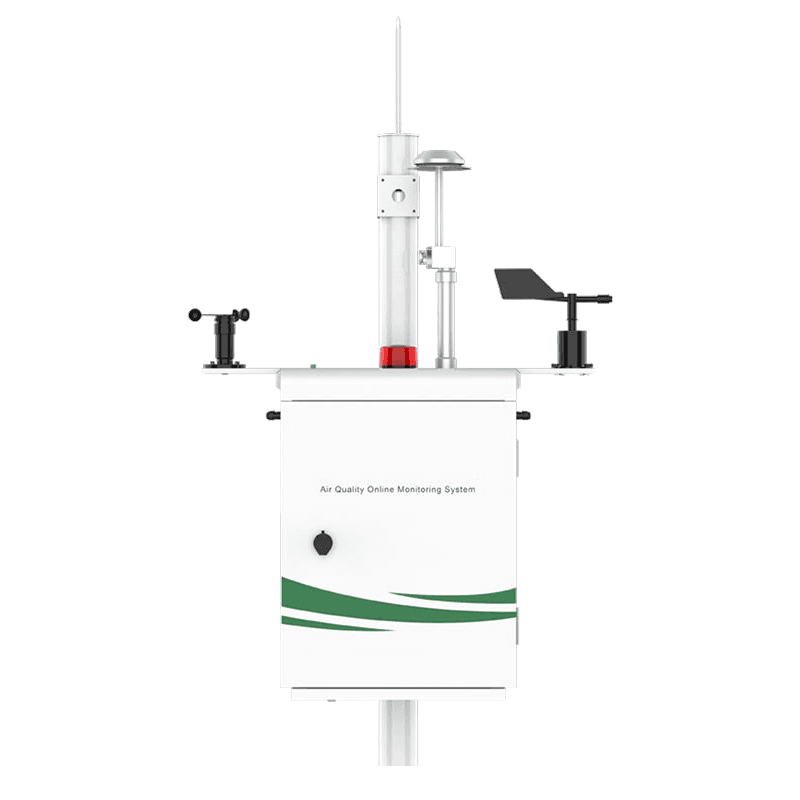
PM2.5 and PM100 environmental stations
Comprehensive air quality monitoring stations: These stations combine environmental sensors, a noise sensor, and monitoring of PM2.5 and PM100 particulate matter to support the municipality's environmental policies.
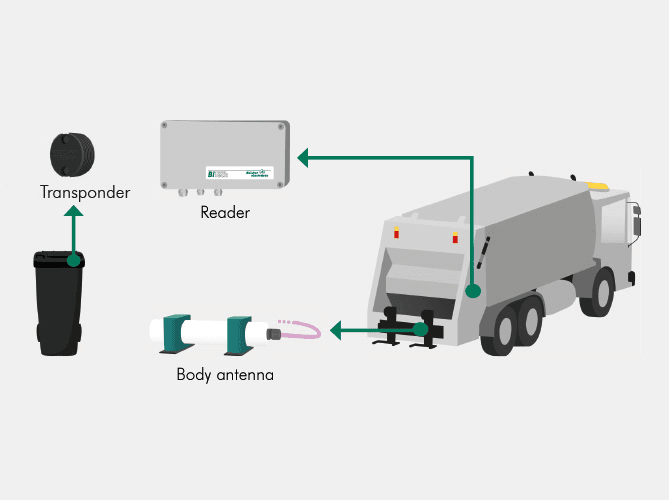
RFID waste collection tracking kit
RFID chips identify the bins and weigh the waste. The route-planning app accurately calculates collection costs.
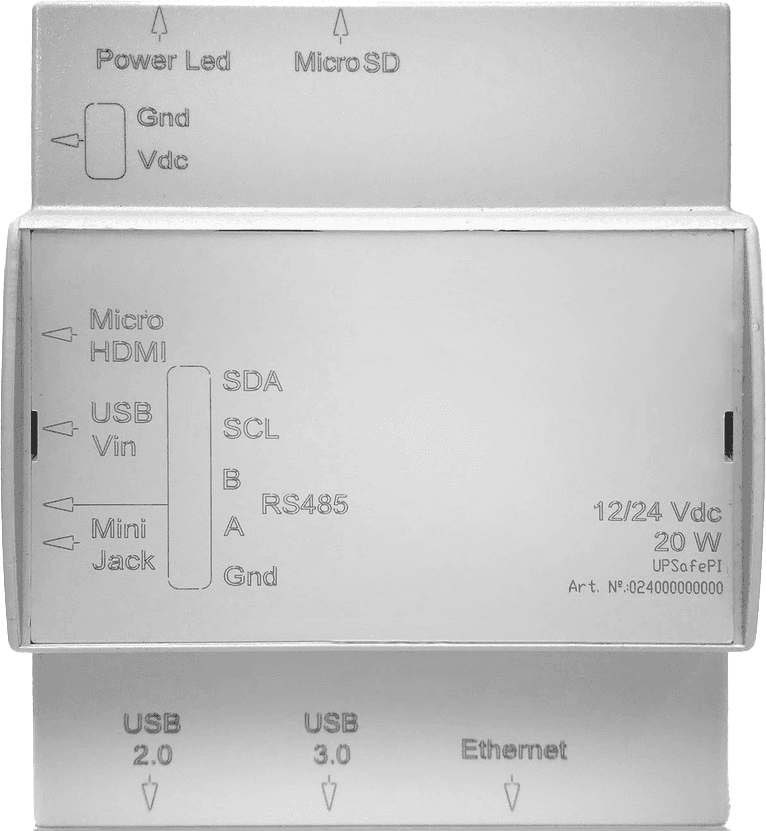
Synapsis ISBC Gateway
Industrial computer with Synapsis IoT Data Bridge: it converts signals from connected devices into data that can be read by Mative Cloud or other platforms.
Data sheet Synapsis ISBC Gateway
Frequently asked questions
Questions about connected cities
How do meters communicate in underground locations?
Smart meters use NB-IoT or LoRaWAN, which ensure coverage even in underground or hard-to-reach areas. For the hardware, we also use MQTT and GSM, selected based on your infrastructure. We select and configure the appropriate hardware.
How is air quality measured?
With environmental monitoring stations equipped with sensors for PM2.5, NO2, noise, and particulate matter. The data is fed into dashboards used for environmental policy and to define low-emission zones (LEZs). The stations also measure water quality.
Can I apply the pay-as-you-throw fee to my trash?
Yes. RFID tags track every drop-off, so you can apply a pay-as-you-throw fee and reward those who sort their waste properly. The fill sensors also prevent empty trips by collection vehicles, ensuring that bins are emptied only upon request.
Industries
06Cities and services
RFID-tracked waste collection, street lighting, parking, metering, and air quality: a city that measures itself to spend less.
- Smart cities
- Waste management and recycling
Contact us
Want to learn more? Contact us for more information or a demo of our products.
- Company
- Mative Srl
- VAT number: IT03190070643
- REA: AV-307398
- Offices
- Via San Pio da Pietrelcina, 81
- 83100 Avellino, Italy
- Contact
- TEL: +39 0825 1920080